Securing Regional Residence Visas for Foreign Degree Holders Entering the Local Labor Market

Securing Regional Residence Visas for Foreign Degree Holders Entering the Local Labor Market

International students finishing degree programs frequently seek avenues to remain in the country through specialized residential pathways. Korean university graduate jobs F-2-R provide a distinct legal framework allowing foreign degree holders to live and work in designated depopulated districts. This pathway connects regional municipal needs directly with the retention of educated foreign talent.

Factory Placement and Labor Protections for Migrant Workers in Industrial Sectors

Factory Placement and Labor Protections for Migrant Workers in Industrial Sectors

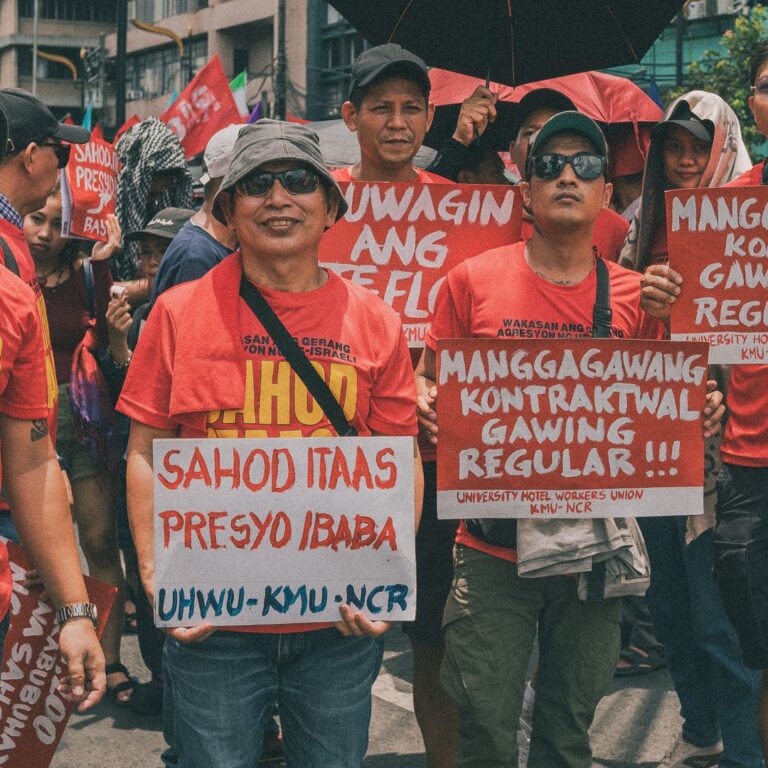
Securing industrial assignments under the non-professional employment system requires understanding specific entry quotas and sector allocations. Foreign personnel arriving for Korea manufacturing E-9 jobs 2026 roles typically enter small and medium enterprises facing acute domestic labor shortages.

Current E-9 Worker Average Monthly Wage and Regulatory Standards for Foreign Personnel

Current E-9 Worker Average Monthly Wage and Regulatory Standards for Foreign Personnel

The E-9 worker average monthly wage is fundamentally tied to the national minimum wage standards established by the government. Foreign nationals entering the country under the Employment Permit System (EPS) are classified as non-professional laborers, and their compensation remains subject to the same legal protections as domestic counterparts.

Factory Floor Placement Rules and Labor Standards for Industrial Personnel

Factory Floor Placement Rules and Labor Standards for Industrial Personnel

Securing Korea manufacturing E-9 jobs 2026 demands adherence to strict recruitment quotas managed through government bilateral agreements. Foreign personnel entering the industrial sector are assigned to registered small and medium enterprises that meet specific facility size and safety compliance thresholds.

Manufacturing Sector Regulations and Employment Standards for E-9 Workers in Korea

Securing factory placements under Korea manufacturing E-9 jobs 2026 requires strict adherence to government-mandated recruitment channels and bilateral agreements between South Korea and sending countries. Foreign personnel entering industrial facilities must navigate a highly regulated labor market governed by national employment permits and standardized contracts.

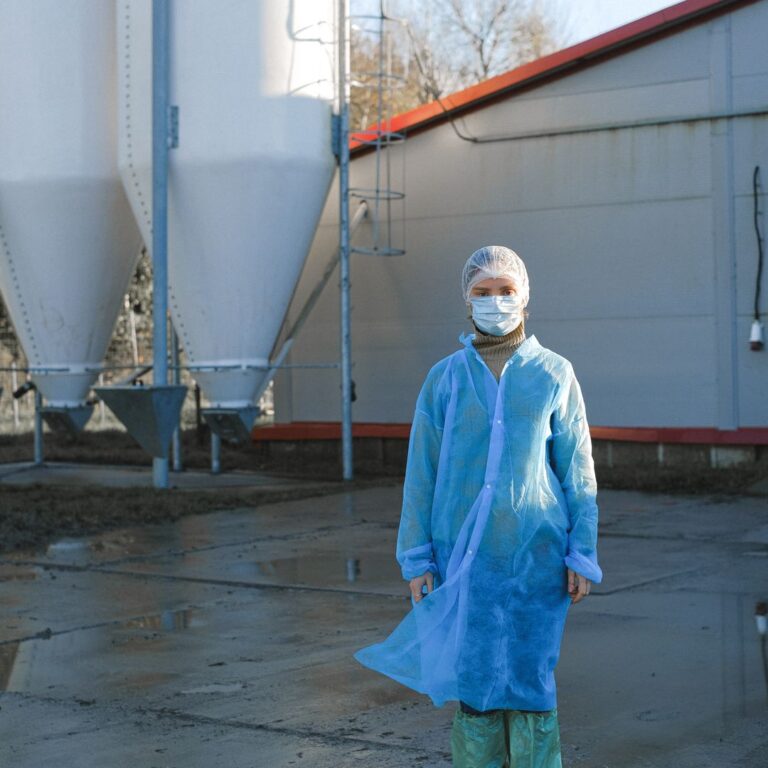
Employment Requirements and Labor Protections for a Slaughterhouse worker E-7-3 Korea

Employment Requirements and Labor Protections for a Slaughterhouse worker E-7-3 Korea

Securing a position as a Slaughterhouse worker E-7-3 Korea requires meeting specific technical skill certifications and employer sponsorship criteria. Applicants must demonstrate verified experience or educational qualifications in meat processing to satisfy the Ministry of Justice visa criteria.

Regulatory Standards and Employment Conditions for E-9 Construction Jobs South Korea

Regulatory Standards and Employment Conditions for E-9 Construction Jobs South Korea

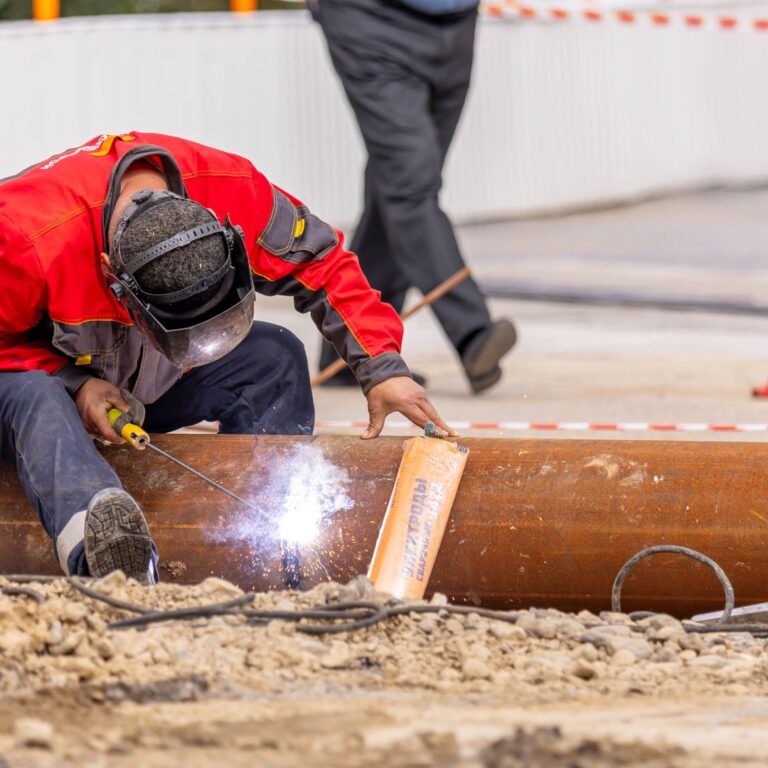
Securing E-9 construction jobs South Korea requires a systematic understanding of the Employment Permit System (EPS) framework that regulates foreign labor entry. Workers entering this sector are categorized under specific industrial codes, necessitating strict adherence to site-safety protocols and labor contracts established by the Ministry of Employment and Labor (MOEL).

Understanding the Korean Fisheries E-8 Job Application and Seasonal Labor Regulations

Understanding the Korean Fisheries E-8 Job Application and Seasonal Labor Regulations

Completing a Korean fisheries E-8 job application involves strict adherence to the seasonal worker visa system managed by local government authorities. This visa category is designed to address acute labor shortages in coastal regions during peak harvest and processing periods.

Workplace Regulations and Labor Compliance for Foreign Manufacturing Personnel in Korea 2026

Securing Korea manufacturing E-9 jobs 2026 Jobs involves navigating a structured government-led selection process designed to address industrial labor shortages. Applicants must transition through the Employment Permit System (EPS), which matches foreign workers with domestic employers in specific industries, including manufacturing, agriculture, and construction.

Legal Standards and Compensation Frameworks for the Korean IT Worker

Legal Standards and Compensation Frameworks for the Korean IT Worker

The role of a Korean IT worker is defined by rapid technical specialization and a distinct corporate hierarchy within major technology conglomerates and emerging software startups. Professionals in this sector frequently manage complex development lifecycles while navigating the unique socio-cultural expectations of the local corporate environment.