Essential Employment Compliance and Labor Standards for Korea Manufacturing E-9 Jobs 2026

Securing Korea manufacturing E-9 jobs 2026 Jobs requires a clear understanding of the regulatory framework established by the Ministry of Employment and Labor. This visa category, known as the Non-Professional Employment visa, is designed to fill labor shortages in specific industries where domestic recruitment is difficult.
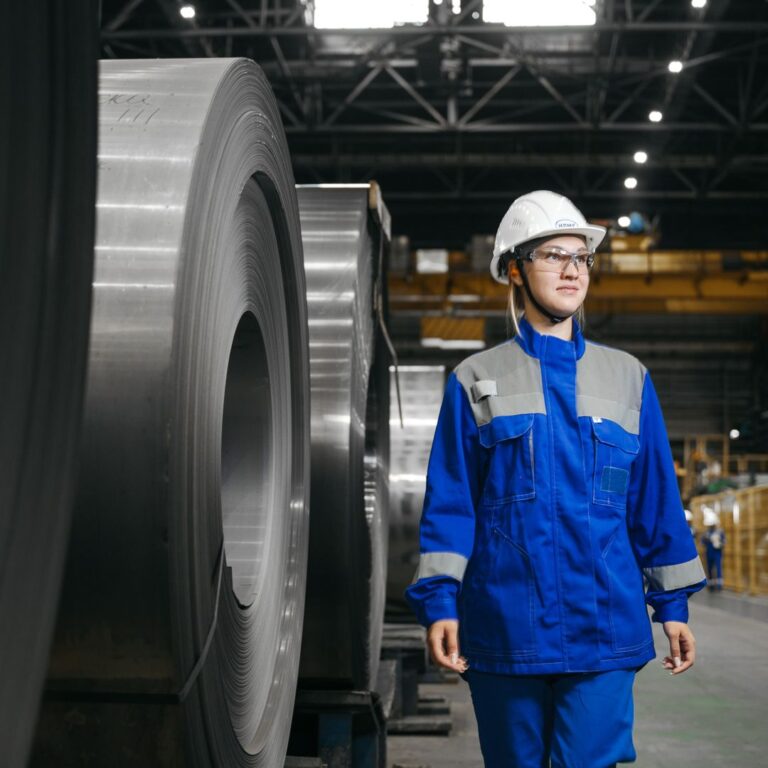
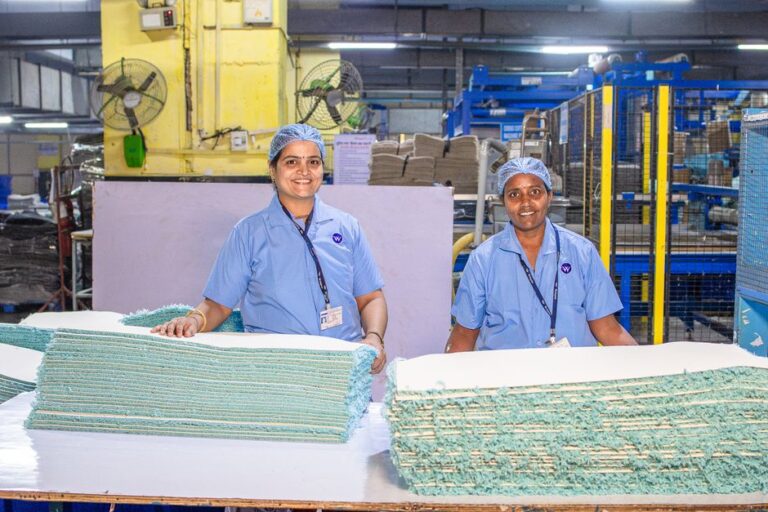
Manufacturing Employment Standards and Regulatory Compliance for E-9 Visa Holders in Korea

Entry into the industrial sector for foreign personnel requires strict adherence to the Employment Permit System (EPS), which governs all Korea manufacturing E-9 jobs 2026. This legal framework dictates the conditions under which international workers contribute to the domestic production …

Read more

Workplace Regulations and Labor Compliance for Foreign Manufacturing Personnel in Korea 2026

Securing Korea manufacturing E-9 jobs 2026 Jobs involves navigating a structured government-led selection process designed to address industrial labor shortages. Applicants must transition through the Employment Permit System (EPS), which matches foreign workers with domestic employers in specific industries, including manufacturing, agriculture, and construction.

Labor Regulations and Operational Standards for Korea Manufacturing E-9 Jobs 2026

Employment Landscape for Manufacturing Personnel The demand for foreign labor in Korea manufacturing E-9 jobs 2026 Jobs remains concentrated in specialized industrial sectors such as automotive assembly, chemical processing, and electronic component fabrication. These roles function under the Employment Permit …

Read more

Employment Standards and Labor Protections for Korea Manufacturing E-9 Jobs 2026

Securing Korea manufacturing E-9 jobs 2026 requires strict adherence to the Employment Permit System (EPS). This government-managed program facilitates the legal entry of foreign nationals into specific manual labor sectors that face domestic staffing shortages.

Essential Regulatory Framework for Foreign Manufacturing Personnel in Korea 2026

The demand for international labor within the Korean industrial sector remains high, specifically concerning Korea manufacturing E-9 jobs 2026 Jobs. Candidates seeking these positions must understand that the Employment Permit System (EPS) functions as the primary pathway for securing legal industrial placement.

Regulatory Framework and Labor Conditions for Korea Manufacturing E-9 Jobs 2026

The landscape for Korea manufacturing E-9 jobs 2026 Jobs involves strict adherence to the Employment Permit System (EPS). This governmental program facilitates the legal entry of foreign nationals into small and medium-sized enterprises experiencing acute labor shortages.

Navigating Employment Standards and Legal Protections for Foreign Manufacturing Workers in Korea 2026

Navigating Employment Standards and Legal Protections for Foreign Manufacturing Workers in Korea 2026

The manufacturing sector in Korea continues to rely on international talent to maintain production capacity across various industrial zones. Foreign nationals seeking Korea manufacturing E-9 jobs 2026 Jobs must satisfy specific eligibility criteria established by the government to ensure legal status and workplace stability.

Securing Factory Positions and Labor Standards for Foreign Personnel Under Current Regulations

Securing Factory Positions and Labor Standards for Foreign Personnel Under Current Regulations

Korea manufacturing E-9 jobs 2026 Jobs involve systematic recruitment quotas administered through bilateral government agreements. Foreign labor applicants must pass the Employment Permit System (EPS) TOPIK language proficiency test and vocational training evaluations before domestic employers can issue formal sponsorship contracts. Foreign nationals seeking broader professional pathways can also review related opportunities through the Jobs in Korea database.