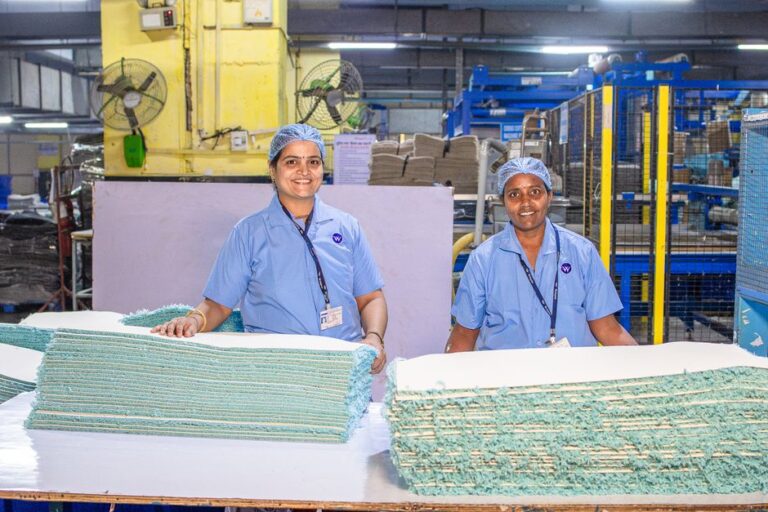
Essential Employment Compliance and Labor Standards for Korea Manufacturing E-9 Jobs 2026

Securing Korea manufacturing E-9 jobs 2026 Jobs requires a clear understanding of the regulatory framework established by the Ministry of Employment and Labor. This visa category, known as the Non-Professional Employment visa, is designed to fill labor shortages in specific industries where domestic recruitment is difficult.
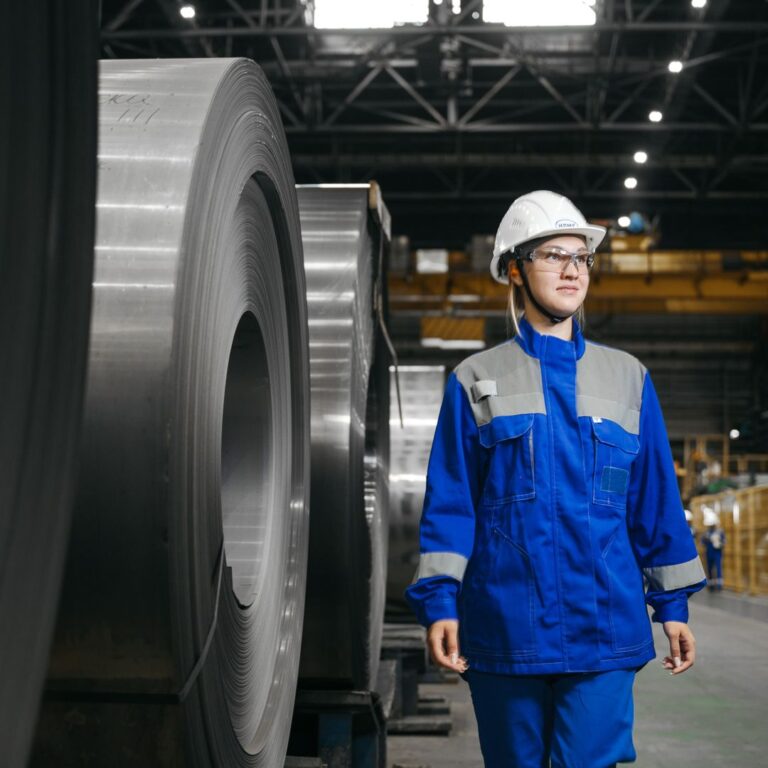

Manufacturing Employment Standards and Regulatory Compliance for E-9 Visa Holders in Korea

Entry into the industrial sector for foreign personnel requires strict adherence to the Employment Permit System (EPS), which governs all Korea manufacturing E-9 jobs 2026. This legal framework dictates the conditions under which international workers contribute to the domestic production …

Read more

Korea Manufacturing E-9 Jobs 2026: Understanding Labor Rules and Worker Rights

The landscape for foreign workers in South Korea’s manufacturing sector, particularly concerning Korea manufacturing E-9 jobs 2026, is governed by specific regulations aimed at addressing labor shortages. The E-9 visa category, known as the Non-Professional Employment Visa, is designed to allow individuals from designated countries to work in sectors facing a deficit of domestic labor. These positions often involve production line work, assembly, and other manual tasks critical to the nation’s industrial output.

Labor Regulations and Operational Standards for Korea Manufacturing E-9 Jobs 2026

Employment Landscape for Manufacturing Personnel The demand for foreign labor in Korea manufacturing E-9 jobs 2026 Jobs remains concentrated in specialized industrial sectors such as automotive assembly, chemical processing, and electronic component fabrication. These roles function under the Employment Permit …

Read more

Navigating Employment Standards and Legal Protections for Foreign Manufacturing Workers in Korea 2026

Navigating Employment Standards and Legal Protections for Foreign Manufacturing Workers in Korea 2026

The manufacturing sector in Korea continues to rely on international talent to maintain production capacity across various industrial zones. Foreign nationals seeking Korea manufacturing E-9 jobs 2026 Jobs must satisfy specific eligibility criteria established by the government to ensure legal status and workplace stability.

Examining South Korea Average Entry-Level Salary Figures and Labor Frameworks for Foreign Professionals

Examining South Korea Average Entry-Level Salary Figures and Labor Frameworks for Foreign Professionals

New arrivals entering the domestic labor market must navigate specific wage structures and legal standards. Reviewing baseline compensation benchmarks helps candidates evaluate initial offers accurately.

Securing Factory Positions and Labor Standards for Foreign Personnel Under Current Regulations

Securing Factory Positions and Labor Standards for Foreign Personnel Under Current Regulations

Korea manufacturing E-9 jobs 2026 Jobs involve systematic recruitment quotas administered through bilateral government agreements. Foreign labor applicants must pass the Employment Permit System (EPS) TOPIK language proficiency test and vocational training evaluations before domestic employers can issue formal sponsorship contracts. Foreign nationals seeking broader professional pathways can also review related opportunities through the Jobs in Korea database.

Evaluating Geographic Pay Variances for Foreign Workers in South Korea

Evaluating Geographic Pay Variances for Foreign Workers in South Korea

Evaluating Geographic Pay Variances for Foreign Workers in South Korea Understanding Geographic Income Disparities A comprehensive Seoul vs regional salary comparison reveals significant differences in compensation structures based on proximity to the capital. While the metropolitan area hosts the majority …

Read more