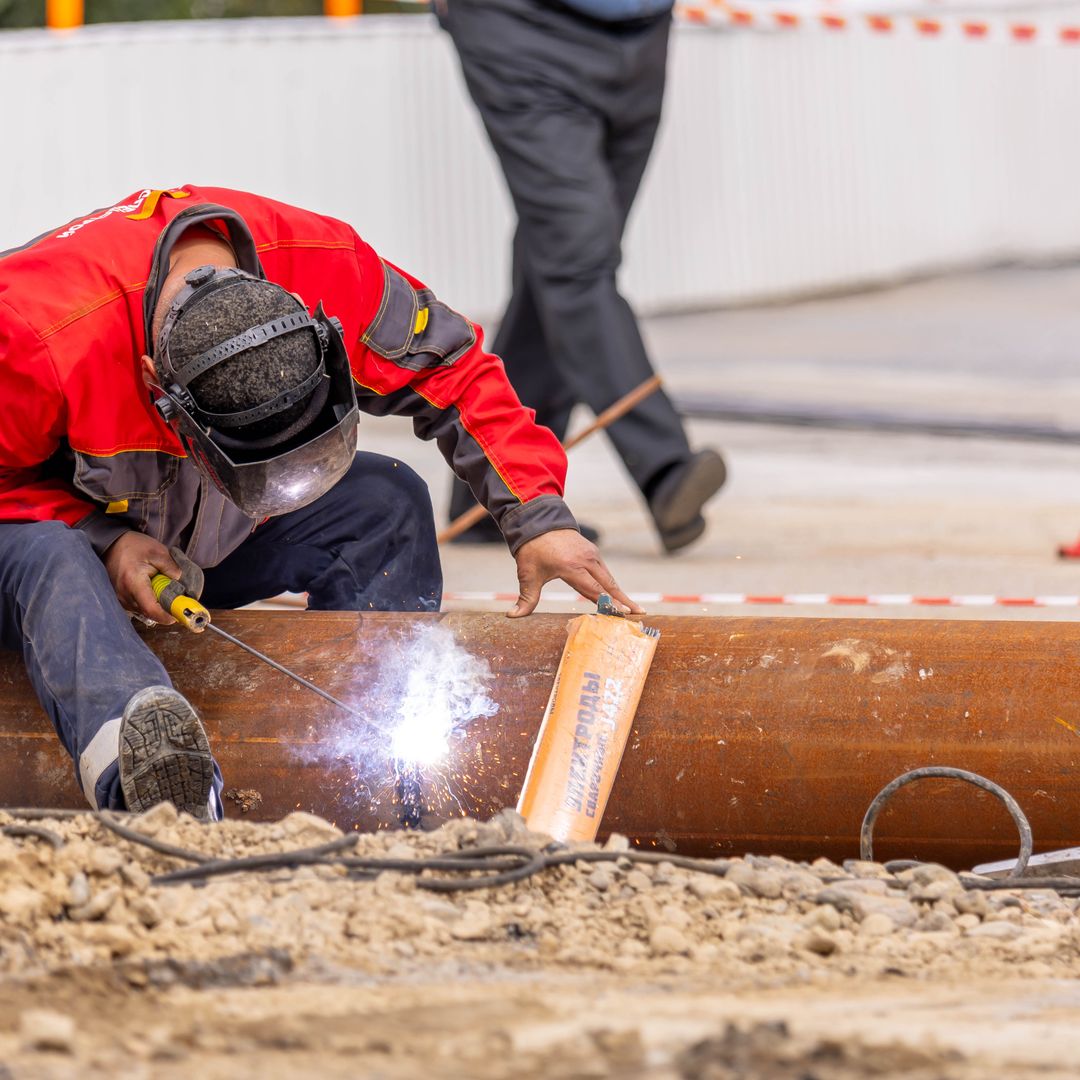
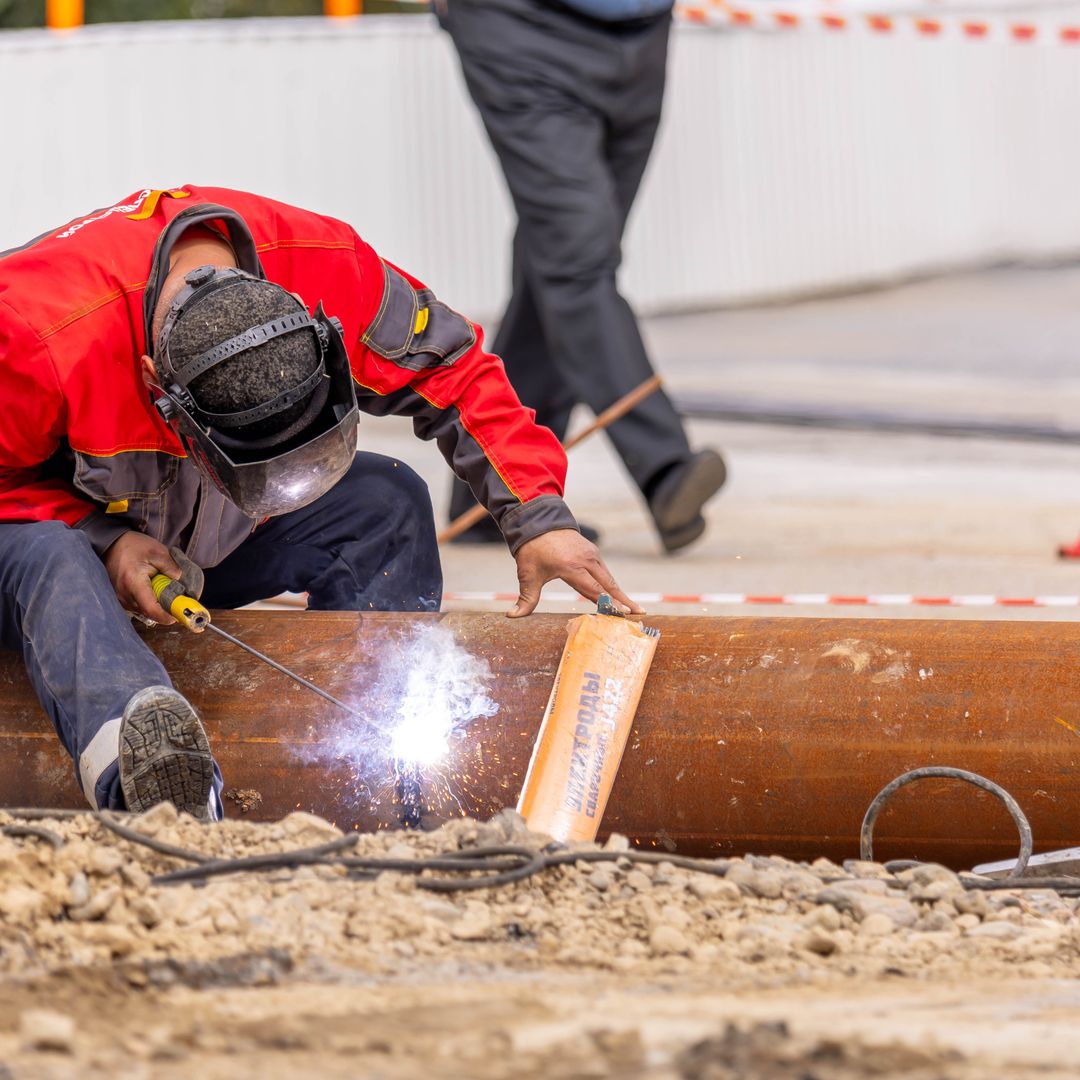
Workforce Conditions in the Construction Sector
Securing E-9 construction jobs South Korea requires a systematic understanding of the Employment Permit System (EPS) framework that regulates foreign labor entry. Workers entering this sector are categorized under specific industrial codes, necessitating strict adherence to site-safety protocols and labor contracts established by the Ministry of Employment and Labor (MOEL).
Regulatory Labor Standards
The Korean government mandates that foreign workers receive treatment equal to local laborers regarding minimum wage and workplace safety. Employers must provide written contracts that explicitly state the working hours, break times, and specific job duties, which are enforceable under the Labor Standards Act.
- Contractual Compliance: All employment agreements must be verified by the local job center to ensure they meet national standards.
- Safety Training: Construction sites are high-risk environments, making mandatory safety education a prerequisite for all new hires.
- Documentation: Foreign employees must keep their Alien Registration Card (ARC) and employment contract accessible at all times.
Compensation and Working Hours
Earnings in the construction industry are typically calculated based on the hourly minimum wage, though specialized skills can lead to higher compensation. For those interested in comparing these figures to other sectors, detailed Salary benchmarks are available for review.
| Category | Standard Regulation |
|---|---|
| Minimum Wage | Set annually by the Minimum Wage Commission |
| Standard Work Week | 40 hours plus potential overtime |
| Overtime Pay | 1.5 times the hourly rate for excess hours |
| Rest Periods | Minimum 30 minutes for every 4 hours of work |
It is important to note that while construction offers robust income potential, it differs significantly from the office-based roles seen in IT Jobs. Workers should verify their specific pay grade during the initial contract signing to avoid disputes regarding performance-based bonuses or deductions.
Workplace Rights and Responsibilities
Foreign workers possess the right to join labor unions and request official translations of their employment documentation. These protections ensure that individuals are not exploited, regardless of whether they are in manual labor or specialized Teaching positions.
Employees have the primary responsibility to maintain their visa status by reporting any change in workplace or residential address to the immigration authorities within the statutory timeframe. Failure to adhere to these reporting requirements can lead to administrative fines or the revocation of work permits.
Addressing Employment Disputes
When disagreements arise, workers should utilize the official grievance procedures provided by the Ministry of Employment and Labor. Professional guidance through Career Programs can also assist in navigating complex administrative hurdles or communication barriers with employers.
Official Sources and Verification
The Ministry of Employment and Labor (https://www.moel.go.kr/english) serves as the primary governing body for all foreign labor regulations in the country. Readers are encouraged to check the Work24 Korea (https://www.work24.go.kr) portal for real-time updates regarding permit extensions and industrial safety guidelines as of the article’s writing.
자주 묻는 질문 (FAQ)
Can I change my construction employer after arriving in Korea?
Changing employers is strictly regulated under the Employment Permit System and is generally only permitted under specific circumstances, such as business closure or employer-side contract violations.
Where is the official minimum wage for 2026 published?
You can find the confirmed annual minimum wage on the official website of the Ministry of Employment and Labor (MOEL).
What should I do if I am not paid on time?
You should report the non-payment to the nearest local Labor Office or the Ministry of Employment and Labor for formal mediation.
Is industrial accident insurance mandatory for foreign construction workers?
Yes, all employers are required by law to enroll foreign workers in industrial accident compensation insurance to cover work-related injuries.
How do I apply for an extension of my E-9 visa?
Visa extensions must be processed through the local immigration office, often requiring employer cooperation and a valid, ongoing labor contract.
Get in Touch
Have questions about your specific situation? Reach out anytime for a personal consultation.