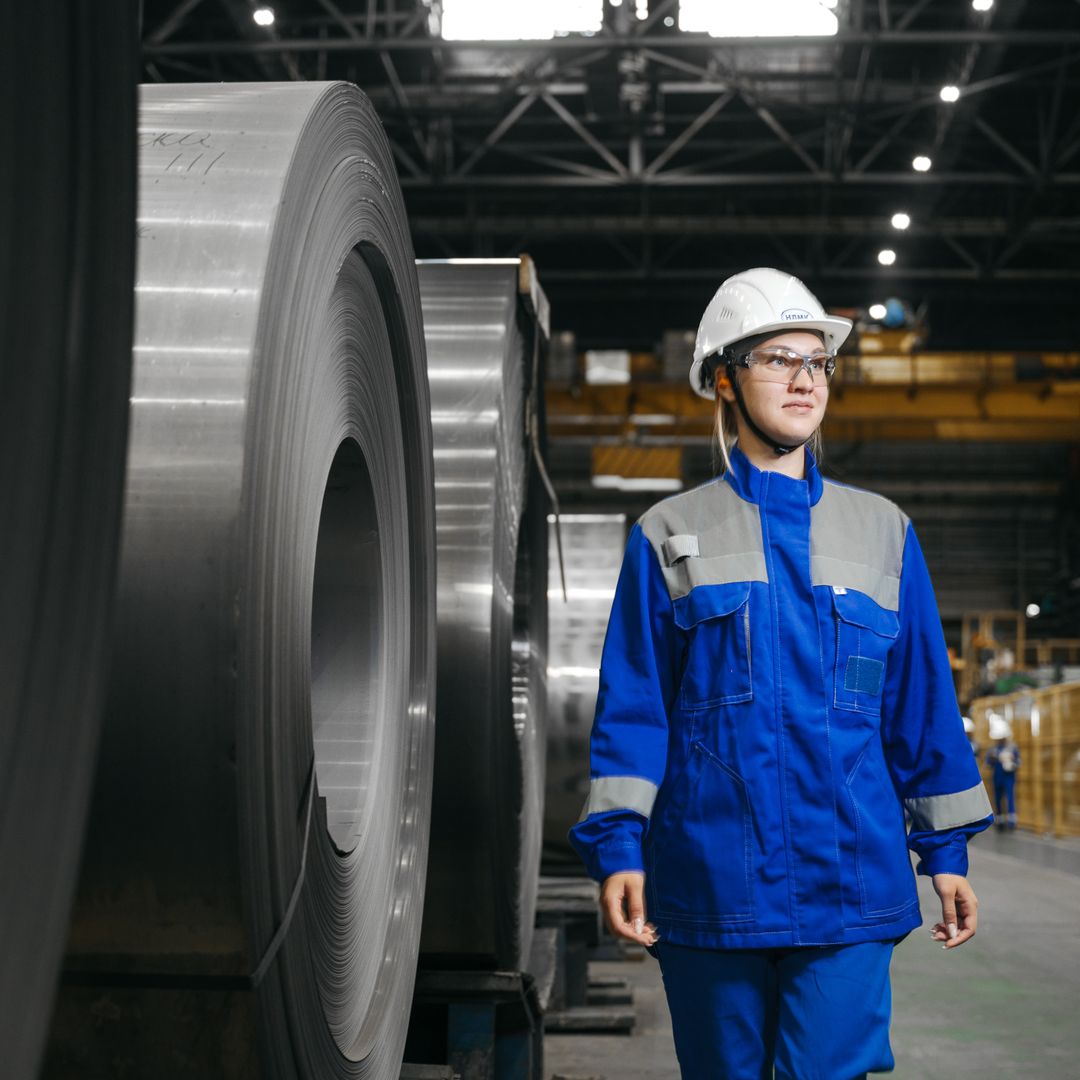

Employment Environment for Foreign Personnel
The manufacturing sector in Korea continues to rely on international talent to maintain production capacity across various industrial zones. Foreign nationals seeking Korea manufacturing E-9 jobs 2026 Jobs must satisfy specific eligibility criteria established by the government to ensure legal status and workplace stability.
Prospective employees often transition into these industrial roles after completing language training and technical certification programs in their home countries. While some individuals may explore Teaching or specialized IT Jobs, the manufacturing sector remains the primary entry point for the E-9 visa category.
Regulatory Framework for Labor
The Ministry of Employment and Labor (MOEL) mandates that all foreign workers receive the same legal protections as domestic employees under the Labor Standards Act. This legislation ensures that factory operators provide written employment contracts, clear job descriptions, and defined safety protocols for all staff members.
| Regulation Area | Standard Requirement |
|---|---|
| Standard Contract | Must be provided in both Korean and the worker’s native language. |
| Probation Period | Usually limited to three months with specific notification requirements for dismissal. |
| Safety Training | Mandatory pre-shift instruction for all machinery operators. |
| Working Hours | Maximum 40 hours per week, with mandatory overtime pay for additional shifts. |
Compensation and Working Hours
Understanding your Salary structure is essential for long-term financial planning during your stay in Korea. Base pay is determined by the annual minimum wage set by the Minimum Wage Commission, which serves as the legal floor for all hourly compensation.
Employers are required to document all hours worked and provide detailed pay stubs that itemize deductions for taxes, social insurance, and housing if provided by the firm. If you seek further opportunities for professional advancement, consider consulting resources like Recruitment platforms to verify current industry standards.
Fundamental Workplace Rights
All workers in Korea possess the right to join labor unions, request breaks during long shifts, and receive comprehensive Industrial Accident Compensation Insurance. These protections are designed to mitigate risks associated with industrial manufacturing and ensure that employees are not exploited by unfair management practices.
- Right to Rest: Employees are entitled to at least one hour of break time for every eight hours of work.
- Insurance Coverage: Employers must register all personnel for national health insurance and industrial accident insurance upon the commencement of employment.
- Payment Integrity: Wages must be paid in full, in cash or via direct bank transfer, on a fixed monthly date.
- Notice of Termination: Employers must provide at least 30 days of notice or 30 days of pay if they intend to terminate a contract without cause.
Conflict Resolution and Legal Recourse
Disputes regarding unpaid wages, workplace harassment, or safety violations should be reported directly to the local labor office or via the Work24 Korea portal. Official government channels provide mediation services to resolve conflicts without the immediate need for private legal counsel.
Documentation serves as your strongest asset when filing a formal complaint against an employer. Always keep copies of your signed contract, correspondence regarding work issues, and logs of your actual working hours to present to authorities if a disagreement occurs.
Official Resources
Detailed information regarding visa sponsorship, labor laws, and seasonal adjustments is available through official government databases. Readers should prioritize data provided by the Ministry of Employment and Labor and the Work24 Korea website for the most accurate and legally binding information.
Reliance on third-party forums or unofficial advice can lead to misunderstandings of current policy updates. Always confirm your specific visa status and labor obligations through the aforementioned official channels to ensure compliance with the Immigration Act.
자주 묻는 질문 (FAQ)
What is the primary source for E-9 visa labor laws?
The Ministry of Employment and Labor (MOEL) is the authoritative source for all labor regulations concerning E-9 visa holders in Korea.
How are manufacturing wages determined for foreign workers?
Wages are legally required to meet or exceed the national minimum wage set annually by the government, plus any applicable overtime premiums.
Where can I report a violation of my employment contract?
You should report any contract violations to your local regional labor office or through the official Work24 Korea digital portal.
Is safety training mandatory for manufacturing roles?
Yes, all employers are legally obligated to provide comprehensive safety training to foreign workers before they begin operating industrial machinery.
Can I change my employer while on an E-9 visa?
Changing employers is permitted under specific conditions defined by the Ministry of Employment and Labor, typically involving mutual agreement or specific instances of employer-side contract breach.
Get in Touch
Have questions about your specific situation? Reach out anytime for a personal consultation.