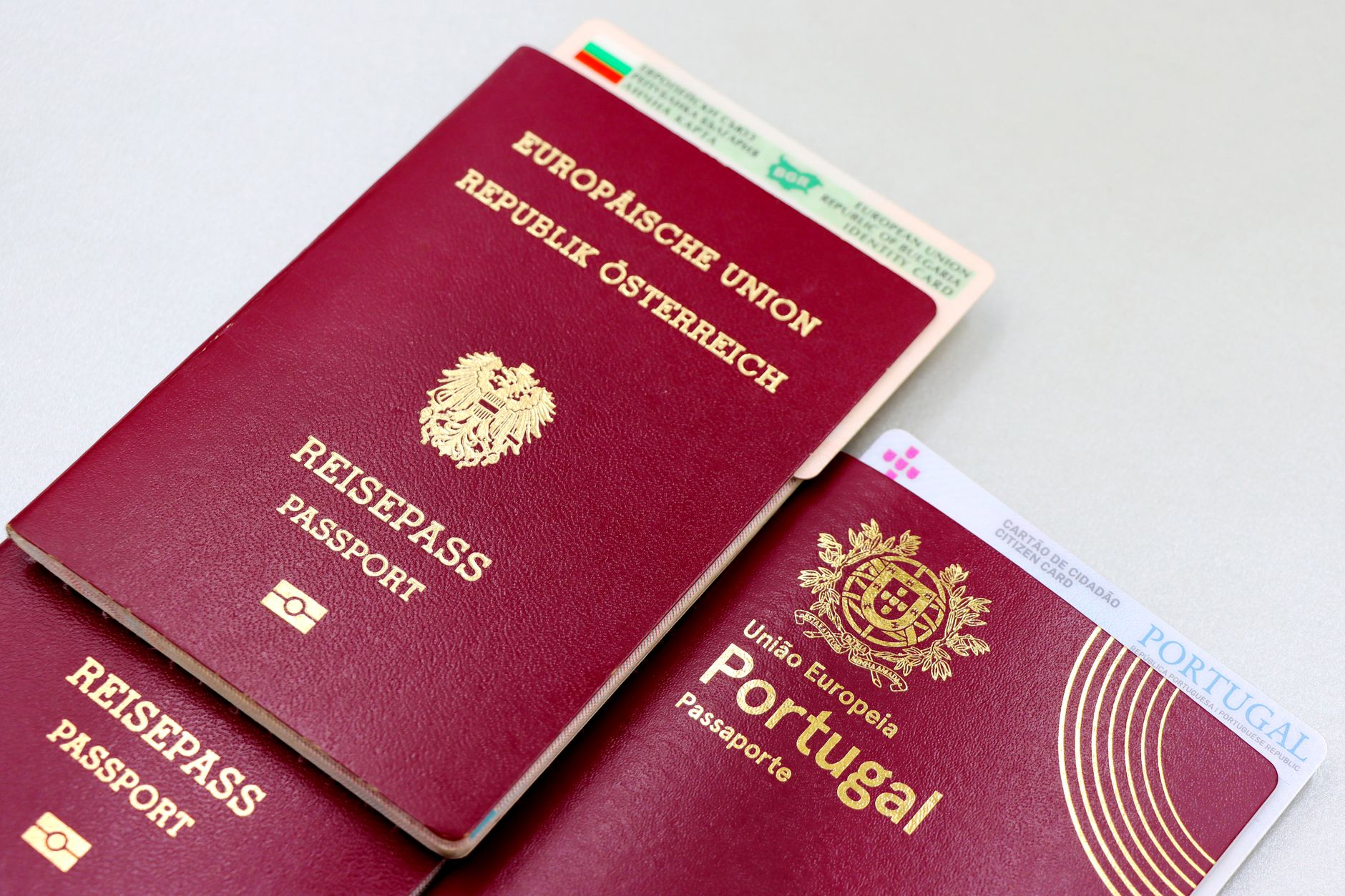
Worker situation: who this affects
Skilled worker visa South Korea points determine whether foreign professionals qualify for points-based residence and work permission under Korea’s employment migration rules. Applicants commonly include IT specialists, engineers, and teachers, and readers can review sector-specific openings at IT Jobs and Teaching.
Current labor rule: what the points system evaluates
Korea uses a points-based scheme (a scoring system that assigns points to education, experience, language ability, and wage) to assess eligibility for certain residence permits and skilled-worker statuses. Employers must offer contracts and wages that meet statutory thresholds and the applicant must reach a minimum total score according to rules published by the Ministry of Employment and Labor and related immigration guidance.
| Category | What counts | Effect on qualification |
|---|---|---|
| Education | Degree level and accredited institutions are evaluated, with higher degrees weighted more heavily. | Major contributor when the job requires specialized qualifications. |
| Work experience | Years in relevant industry and role seniority are considered, with recent and continuous experience favored. | Moderate to major contribution depending on role specificity. |
| Korean language | Official test scores and certificates are accepted as proof of ability to work in Korean-language environments. | Important for public-facing or regulated professions; can tip borderline cases. |
| Contract & wage | Type of contract, working hours, and offered salary relative to sector norms are reviewed by authorities. | Essential for approval because wage and contract type reflect genuine employment intent. |
| Special skills or national needs | Skills on government priority lists or shortage occupations receive additional consideration. | Can provide decisive advantage for applicants in targeted sectors. |
Salary and hours data: practical thresholds and verification
The salary component is assessed against statutory minimums and sectoral benchmarks rather than a single universal figure; employers typically must offer a wage comparable to Korean peers in the same role. Applicants should compare offers against published wage guidance and local listings on our Salary pages and national labor information portals before applying.
Rights and duties for holders and employers
Skilled visa holders have the right to the wages, working hours, social insurance, and workplace protections guaranteed under Korean labor law, and employers are obligated to register contracts and remit required insurances. Visa holders must comply with the conditions of their permit, including any restrictions on job type, change of employer, or additional reporting duties to immigration authorities, and employers must not coerce or underpay workers to bypass score rules.
Problem resolution: what to do if points or contract are disputed
Start by asking your employer for written clarification of the job title, salary, working hours, and how the position supports your points claim, and retain copies of the employment contract and payslips. If the employer response is unsatisfactory, file a complaint with the Ministry of Employment and Labor or use the Work24 Korea reporting channels, and consider legal advice or labor counseling from official services.
Official source and checked date
This guidance references official materials from the Ministry of Employment and Labor (MOEL) and the Work24 Korea portal (Work24 Korea) for procedural requirements and dispute channels. Readers must confirm the current score thresholds and document lists with those sources directly; the referenced pages were checked in 2026 for policy descriptions and contact points.
For sector-specific job searching and employer listings that may affect score-related evidence, use our Jobs hub at Jobs in Korea and review occupation notes before application. Keeping documentation aligned with both immigration and labor authority guidance reduces processing delays and strengthens disputed claims.
Photo: Marta Branco / Pexels (License) · Stock photo / 자료사진
자주 묻는 질문 (FAQ)
What are the main categories used to score applicants for a skilled worker visa?
The main categories are education, relevant work experience, Korean language ability, the contract and wage offered, and any national-priority skills that match government lists.
Where should I check the official points table before applying?
Check the Ministry of Employment and Labor site and the Work24 Korea portal for official instructions and required documentation, and verify the latest thresholds online.
Can an employer’s low salary affect my points outcome?
Yes, offered wage levels are reviewed as evidence of genuine employment and may reduce eligibility if they fall below sectoral or statutory benchmarks.
What immediate steps should I take if my employer refuses to provide contract details needed for points claims?
Request written contract terms, retain communications, file a report with Work24 Korea or MOEL if the employer does not comply, and seek labor counseling.
Do language certificates always improve my score?
Recognized test scores and certificates typically improve the language component of the score, but the final effect depends on the overall points distribution.
Can I change employers after receiving a points-based visa?
Changes are possible but usually require notifying immigration and confirming the new role meets the original visa conditions for job type and wage.
Get in Touch
Have questions about your specific situation? Reach out anytime for a personal consultation.