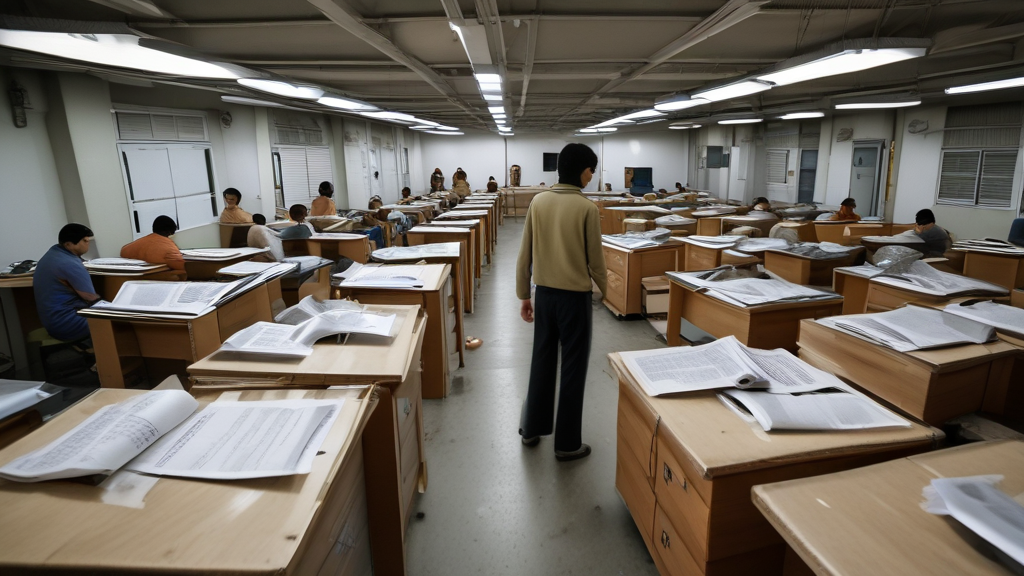
Worker living circumstances and common arrangements
Foreign worker housing support Korea appears most often as employer-provided dormitories or monthly housing allowances for employees in manufacturing, construction and care sectors. These arrangements vary by employer size and industry and influence daily safety, commute time and disposable income for foreign workers.
Legal framework and employer obligations
Korean labor law requires employers to provide a safe workplace and to not deduct unreasonable costs from wages when housing is linked to employment. The Ministry of Employment and Labor (MOEL) enforces rules on workplace facilities and wage deductions, and employers must follow those rules when offering or charging for housing.
Costs, wages and hours that affect housing choices
Housing costs reduce take-home pay when employers charge rent or utilities from salary, so workers should check payroll deductions and compare them to local market rates. For more on wage transparency and comparisons that affect housing affordability see the Salary resources on JobKorea365.
Types of housing arrangements and a quick comparison
| Option | Who provides | Eligibility | Typical worker cost | Common rules |
|---|---|---|---|---|
| Employer dormitory | Employer or contractor | Often offered to shift or site-based workers | Low to moderate; may include small rent or utility share | Curfews, visitor rules, shared rooms; employer maintains facility |
| Housing allowance | Employer pays cash or stipend | Depends on contract terms or company policy | Varies; typically partial subsidy | Paid monthly; not tied to specific unit; included in payroll |
| Public support referral | Local government or NGO referrals | Income or employment-based eligibility | Low; subsidized rates or temporary shelter | Case-by-case referral and application required |
| Private market | Private landlord | Open market; requires lease and deposit | Full market rent and deposit (jeonse or wolse systems) | Standard lease rules under Korean civil law apply |
Worker rights and employer duties
Workers have the right to safe, healthy living conditions and to clear written terms if housing is provided or rent is deducted from wages. Employers must document any housing charge in the employment contract and cannot use illegal deductions that reduce pay below minimum wage or agreed net pay.
Steps to resolve housing problems and dispute channels
If housing conditions are unsafe or deductions are unclear, document the issue with photos, receipts and the employment contract and then raise the matter with the employer in writing. If the employer does not correct the problem, contact the MOEL complaint center or file a labor standards complaint and consider regional support services listed on Work24.
When to involve official agencies and where to get verified help
Use the Ministry of Employment and Labor for formal complaints about wage deductions, unsafe facilities or contract violations and check the Work24 portal for case guidance and service locations. The official sources below provide forms, complaint procedures and local office contacts and were checked on 2026-09-11.
Official references
Ministry guidance and enforcement information is available via the MOEL website at moel.go.kr which describes employer obligations and complaint procedures. The Work24 portal at work24.go.kr provides practical steps, one-stop service locations and referral options for foreign workers seeking housing assistance.
Practical next steps for foreign workers
Before accepting housing, request a written clause in the contract that details rent, utility sharing and any rules tied to the accommodation and keep a copy of the lease or dormitory rules. For job seekers evaluating offers, compare total compensation including housing when shopping for alternatives on the Jobs Guide and when planning career transitions consult Career Programs.
자주 묻는 질문 (FAQ)
Who enforces rules on employer-provided housing?
The Ministry of Employment and Labor enforces housing-related labor rules and handles complaints about wage deductions or unsafe facilities.
Can an employer deduct rent from my salary?
An employer can deduct rent only if it is documented in the contract and the deduction does not reduce pay below legal standards; unclear or excessive deductions should be reported.
What proof should I collect to challenge poor housing conditions?
Collect dated photos, written requests to the employer, receipts for payments, your contract and witness statements where available before filing a complaint.
Where do I file a complaint if the employer ignores my written request?
File a complaint with the MOEL complaint center or use the Work24 portal to find a local labor office that handles housing and wage disputes.
Are there public or NGO options if employer support is inadequate?
Yes, some local governments and NGOs provide temporary housing referrals and subsidies based on need and employment status; check Work24 for local options.
Get in Touch
Have questions about your specific situation? Reach out anytime for a personal consultation.