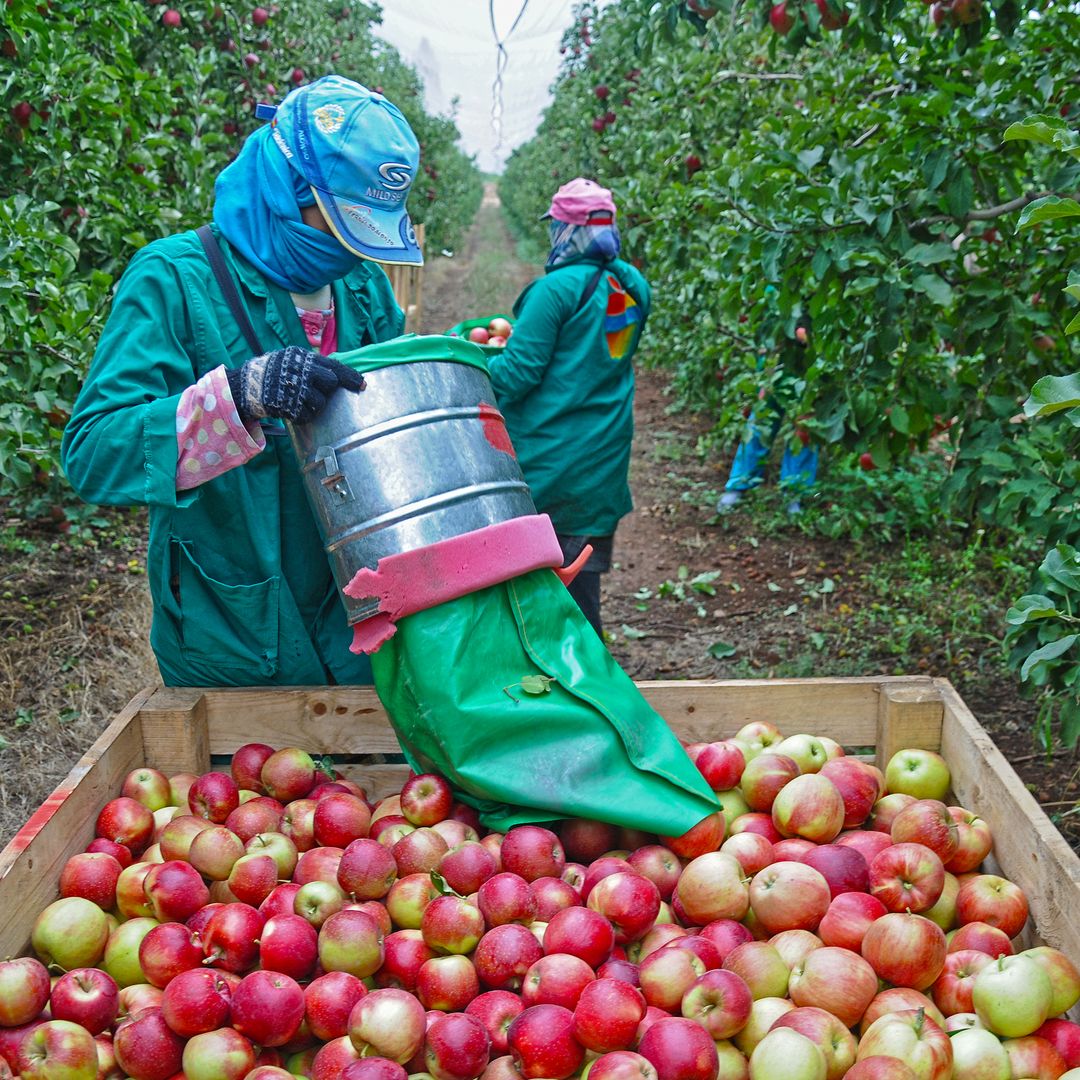
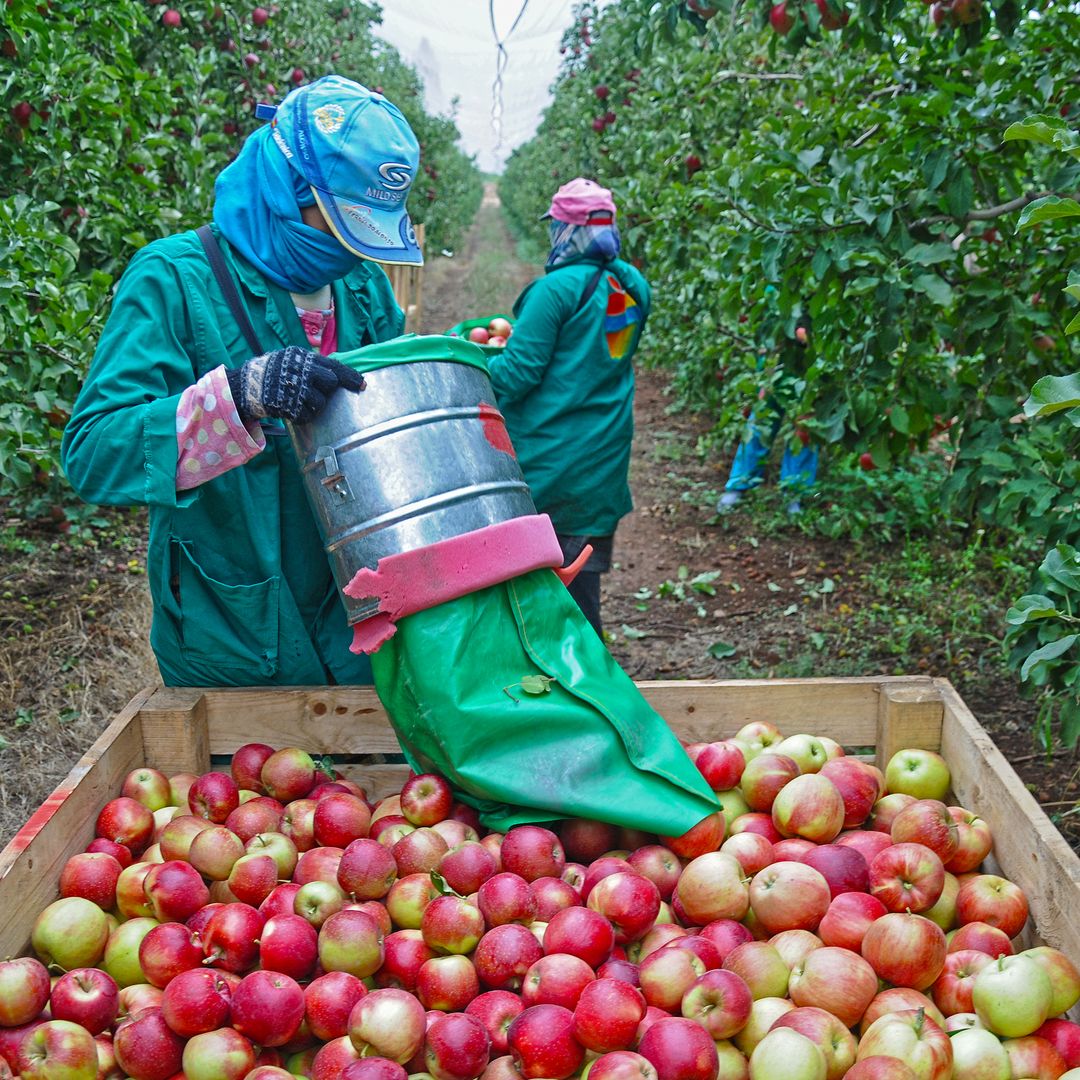
Understanding the Compensation Framework for Agricultural and Fishery Laborers
E-8 seasonal worker pay rates are established through municipal agreements and national minimum wage benchmarks to protect short-term foreign laborers. Local governments across South Korea coordinate with partner towns abroad to bring in agricultural and fishery hands during peak harvest periods.
Foreign personnel arriving under this short-term employment framework must receive compensation that equals or exceeds statutory floors set by the central government. Comprehending these remuneration structures prevents wage theft and ensures transparent financial arrangements between employers and employees.
Statutory Wage Standards and Regional Variations
The Ministry of Employment and Labor regulates the baseline hourly earnings applicable to every legal worker within the national territory. Regional municipalities often negotiate supplementary allowances for specialized harvest tasks, which can alter the gross monthly total.
Employers must publish clear compensation schedules before contract execution so that applicants understand their expected take-home earnings. Reviewing broader opportunities through the Jobs Guide helps candidates compare seasonal remuneration with permanent positions across different industries.
| Compensation Component | Statutory Minimum | Seasonal Application |
|---|---|---|
| Hourly Baseline | National Minimum Wage Standard | Mandatory floor for all contracted hours |
| Overtime Multiplier | 1.5 times regular hourly rate | Required for work exceeding standard daily limits |
| Housing Deductions | Regulated maximum limits | Permitted only for approved accommodations |
Working Hours, Deductions, and Net Earnings
Standard employment contracts for temporary agricultural hands outline a maximum weekly schedule unless the employee consents to extended tasks. Legitimate deductions from gross wages are strictly limited to income tax, local residence tax, national pension contributions where applicable, and authorized housing fees.
Employers who deduct excessive fees for substandard farm container housing violate labor inspection rules. Workers seeking alternative employment pathways can consult specialized resources regarding a Work Visa to understand status adjustments.
- Standard hours: Forty hours per week constitute the normal operating baseline before overtime multipliers apply.
- Mandatory rest: Personnel receive designated break periods during intense daytime agricultural tasks.
- Wage disbursement: Remuneration must transfer directly to the employee bank account on fixed monthly dates.
- Payslip transparency: Itemized statements detailing gross pay, taxes, and deductions must be issued every pay cycle.
Mandatory Protections and Workplace Obligations
Foreign laborers possess identical safety rights as domestic personnel under industrial safety legislation administered by the central government. Agricultural managers must provide adequate protective gear against extreme weather, chemical fertilizers, and heavy machinery operation.
Individuals who transition into educational sectors later should review Teaching qualifications to understand credential verification processes. Professional placement support remains accessible through verified networks such as Recruitment agencies operating within regulatory compliance frameworks.
Dispute Resolution and Official Oversight Channels
When compensation disputes arise between seasonal staff and farm owners, formal mediation channels exist to resolve payment discrepancies without immediate contract termination. The Ministry of Employment and Labor investigates formal grievances regarding unpaid wages or illegal deductions.
Workers should collect physical copies of timecards, bank statements, and written agreements to substantiate any claims lodged with labor inspectors. Official guidance and dispute forms are maintained directly on the Ministry of Employment and Labor portal alongside Work24 Korea databases.
Official Sources and Verification Details
Regulatory frameworks governing temporary agricultural programs undergo periodic reviews by labor authorities to reflect economic shifts and inflation metrics. Official compensation tables and legal enforcement updates are published directly through government archives.
All administrative guidelines cited in this overview derive from verified public administration databases as of the article’s writing. Applicants should verify current local ordinances directly through municipal agricultural division offices prior to signing binding agreements.
자주 묻는 질문 (FAQ)
Are seasonal workers entitled to overtime pay?
Yes, hours exceeding the standard daily or weekly limit must be compensated at a rate of one and a half times the regular hourly baseline.
Can employers deduct food and housing costs from the monthly salary?
Deductions are permitted only if accommodations meet legal standards and written consent is obtained, subject to strict statutory caps.
What government agency handles wage complaints for foreign agricultural hands?
The Ministry of Employment and Labor investigates formal grievances regarding delayed, reduced, or unpaid compensation.
Do seasonal personnel pay national insurance taxes?
Deductions depend on bilateral agreements and visa classifications, with specific exemptions applying to certain short-term foreign guest worker programs.
Get in Touch
Have questions about your specific situation? Reach out anytime for a personal consultation.