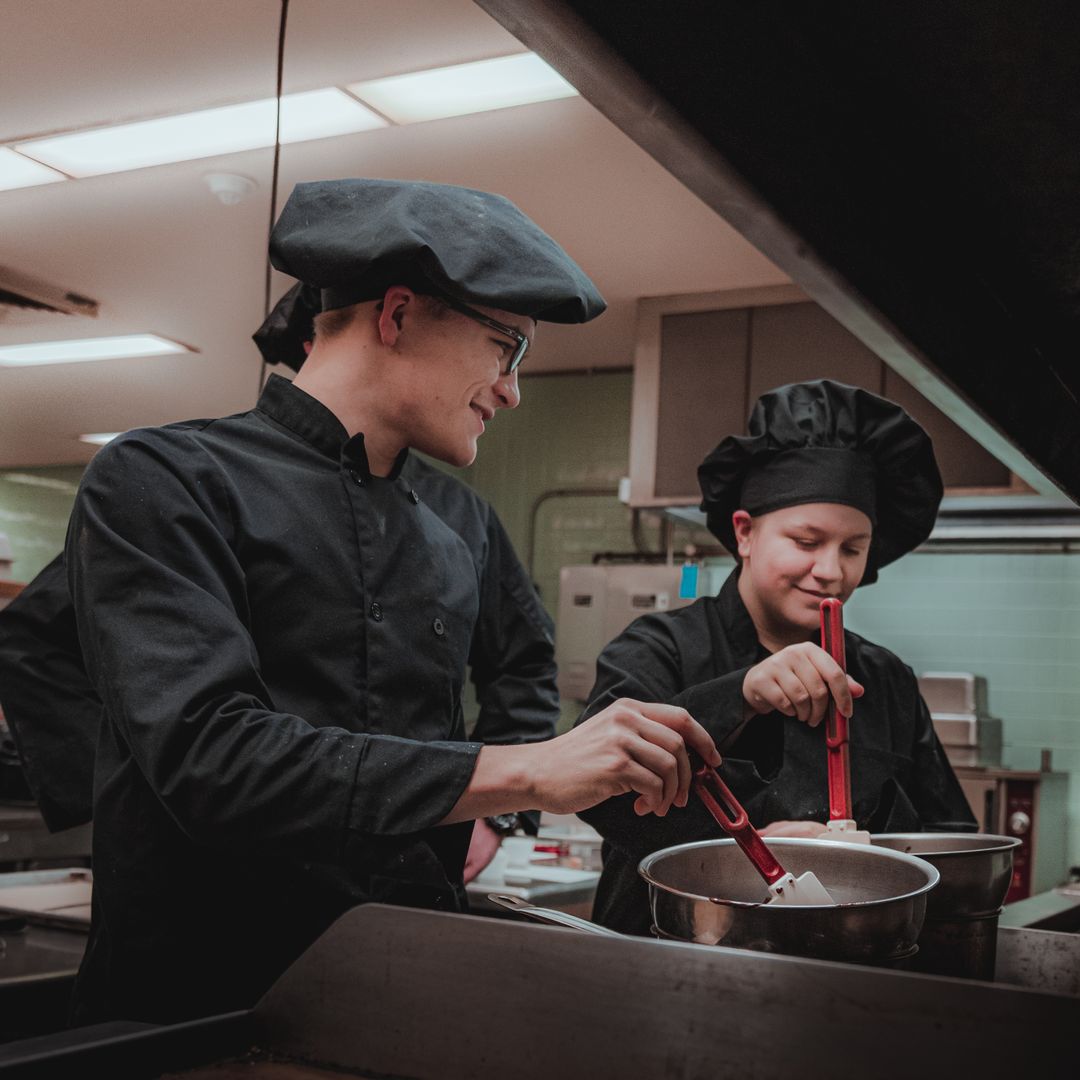

Culinary trainee jobs Korea foreign opportunities require strict adherence to national immigration and labor protocols to ensure legal status. Prospective chefs must align their professional credentials with the specific requirements of the Korean visa system before securing placement in a domestic kitchen.
Professional Status and Immigration Requirements
International individuals seeking kitchen roles must first determine the correct visa category for their skill level and training status. Most culinary positions for non-nationals fall under the E-7 (Specialized Occupation) visa, which requires a specific set of educational or professional credentials validated by the Ministry of Justice.
The Work Visa guidelines dictate that applicants must possess either a degree in culinary arts or significant documented experience in a professional setting. Without appropriate documentation, authorization to perform paid culinary labor is prohibited under current immigration rules.
Labor Standards and Workplace Environment
Foreign trainees are subject to the same protections as domestic employees under the Labor Standards Act, which governs working hours, breaks, and workplace safety. Employers are mandated to provide a contract that clearly outlines duties and compensation, which can be further examined through our Jobs Guide.
| Aspect | Regulatory Requirement |
|---|---|
| Work Hours | Maximum 40 regular hours per week with overtime limits |
| Insurance | Mandatory enrollment in four major social insurance plans |
| Contract | Must be written in a language understood by the trainee |
| Probation | Legal limits apply to the duration and salary during training |
Compensation and Financial Benchmarks
Salary structures for culinary roles in the Republic of Korea are determined by the complexity of the position and the candidate’s level of professional certification. Detailed Salary information reflects that experienced chefs often command higher tiers of pay compared to entry-level trainees or apprentices.
Employers must pay at least the government-mandated minimum wage, though specialized culinary roles often exceed this baseline due to the technical nature of the work. Trainees should verify that their employer adheres to these national standards throughout the duration of their employment contract.
Rights and Dispute Resolution
Every foreign worker in the culinary sector maintains the right to fair treatment and safe working conditions under the oversight of the Ministry of Employment and Labor. If an employer fails to provide agreed-upon wages or violates safety standards, employees should seek assistance through official government channels.
- Ministry of Employment and Labor: Provides official guidance on labor disputes and wage theft protection.
- Work24 Korea: Serves as a centralized platform for accessing labor-related services and employment support.
- Career Programs: Offer professional development resources for individuals looking to advance their culinary skills.
Workers facing contract issues or workplace mistreatment are encouraged to document all incidents thoroughly for future legal review. Utilizing these official resources ensures that professional activities remain compliant with local regulations while protecting the individual’s rights in the workplace.
Official Source and Verification
All information provided aligns with current directives from the Ministry of Employment and Labor (https://www.moel.go.kr/english) and the portal Work24 Korea (https://www.work24.go.kr). This document is accurate as of the article’s writing, and individuals should consult the latest government updates before finalizing any employment agreements.
자주 묻는 질문 (FAQ)
Can I work as a culinary trainee on a tourist visa?
No. It is illegal to engage in remunerative employment, including culinary training, on a tourist or short-term visitor visa in South Korea.
What is the primary visa for foreign culinary professionals?
The E-7 (Specialized Occupation) visa is the most common path for foreign chefs and culinary professionals to work legally in the country.
Are foreign trainees covered by the Korean Labor Standards Act?
Yes. All foreign workers, regardless of visa status, are entitled to basic labor protections, including wage standards and workplace safety, under the Labor Standards Act.
Where can I report a violation of my employment contract?
You may report violations to the Ministry of Employment and Labor or seek assistance through the Work24 Korea portal for mediation and legal guidance.
Is there a minimum wage for culinary trainees?
Yes. All employees in Korea must receive at least the national minimum wage, with specific industry tiers sometimes applying to highly specialized roles.
Get in Touch
Have questions about your specific situation? Reach out anytime for a personal consultation.