The **Korean automotive industry careers** landscape is booming, offering a wealth of opportunities for professionals worldwide. South Korea stands as a global powerhouse in vehicle manufacturing, renowned for its innovation, especially in electric vehicles (EVs) and autonomous driving. This guide explores the dynamic sector, key roles, and how you can secure a rewarding career in this thriving industry.
## Table of Contents
* [The Dynamic Landscape of Korean Automotive Industry Careers](#dynamic-landscape)
* [Key Roles in the Evolving Automotive Sector](#key-roles)
* [Emerging Opportunities in Future Mobility](#emerging-opportunities)
* [Navigating the Job Market for Korean Automotive Industry Careers](#navigating-job-market)
* [Salary Expectations and Career Progression](#salary-expectations)
* [Landing Your Dream Role: A Step-by-Step Guide](#landing-dream-role)
* [FAQ Section](#faq-section)
The Dynamic Landscape of Korean Automotive Industry Careers
South Korea’s automotive sector is a global leader, driven by continuous innovation and aggressive investment. This creates a vibrant environment for **Korean automotive industry careers**.
Global Influence and Innovation
South Korea consistently ranks among the **top 5 global automotive producers**. In 2023, the country produced over 4.2 million vehicles, solidifying its position as a manufacturing giant. (Source: Statista). Companies like Hyundai and Kia are at the forefront, pushing boundaries in design and technology.
EV Revolution and Future Growth
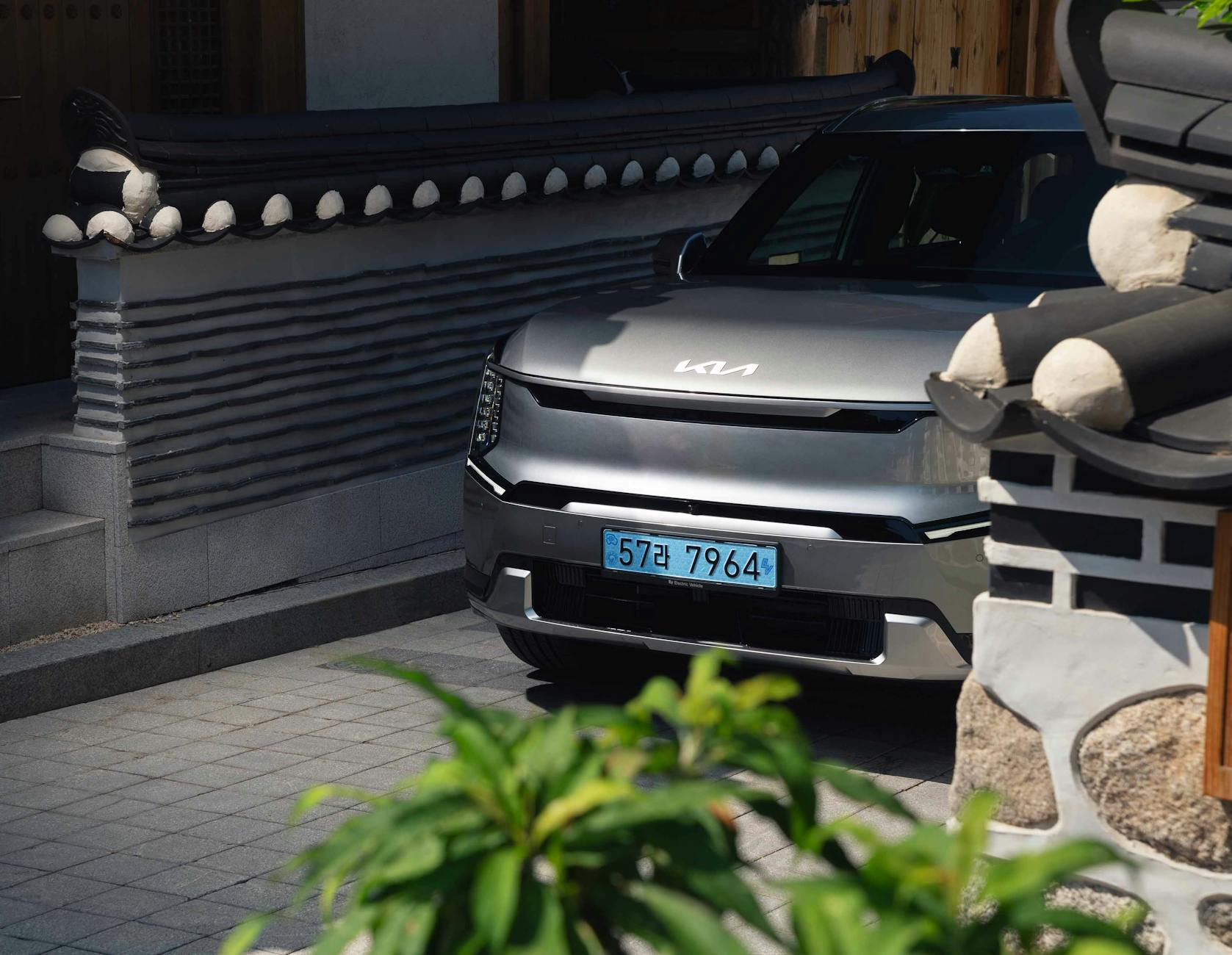
The shift towards electric vehicles is profoundly reshaping the industry. EV sales in Korea surged by 34.2% in 2022, demonstrating rapid adoption and growth (Source: S&P Global Mobility). This transition fuels demand for new skills and expertise. “Korea’s aggressive investment in EV R&D positions it as a global leader in sustainable mobility solutions,” notes Dr. Park, a leading automotive industry analyst.
Key Roles in the Evolving Automotive Sector
The industry offers diverse roles, from core engineering to cutting-edge software development.
Engineering & R&D Excellence
* **Software Engineer:** Developing infotainment, connectivity, and autonomous driving systems.
* **Battery Scientist/Engineer:** Specializing in battery chemistry, design, and management.
* **Autonomous Driving Specialist:** Working on AI, sensors, and perception systems.
* **Mechanical Engineer:** Designing vehicle components, powertrains, and chassis.
This sector heavily relies on advanced research, similar to Korea research jobs academia.
Manufacturing & Production Innovation
* **Production Manager:** Overseeing assembly lines, ensuring efficiency and quality.
* **Quality Control Engineer:** Implementing and monitoring quality standards.
* **Robotics Technician:** Maintaining and programming advanced manufacturing robots.
* **Supply Chain Specialist:** Managing logistics and material flow.
These roles are crucial for the industry’s backbone, much like the Korea construction jobs outlook emphasizes operational excellence.
Emerging Opportunities in Future Mobility
Future mobility trends are creating exciting new career paths.
Software & AI Development
The rise of connected and autonomous vehicles means software is paramount.
- In-vehicle infotainment systems
- Advanced Driver-Assistance Systems (ADAS)
- AI algorithms for perception and decision-making
- Cybersecurity for automotive systems
Expertise in C++, Python, and machine learning frameworks is highly valued.
Battery Technology & Powertrain
As EVs dominate, battery and powertrain specialists are in high demand. This includes research into new materials and energy efficiency, echoing the innovation seen in Korea pharmaceutical jobs.
- Lithium-ion battery research and development
- Solid-state battery technology
- Electric motor and inverter design
- Battery Thermal Management Systems (BTMS)
Navigating the Job Market for Korean Automotive Industry Careers
Understanding the landscape of top employers and essential skills is crucial.
Top Employers & Companies
Major players include:
* **Hyundai Motor Group:** Hyundai, Kia, Genesis.
* **LG Chem / LG Energy Solution:** Leading battery manufacturers.
* **Samsung SDI:** Another key player in battery technology.
* **Mobis:** Hyundai Motor Group’s parts and service arm.
* **Smaller startups:** Focusing on niche areas like autonomous driving software.
You can explore career pages directly, such as Hyundai Motor Company Careers.
Essential Skills & Qualifications
A strong foundation in engineering or related fields is often required.
| Category | Key Skills | Desired Qualifications |
|---|---|---|
| Technical | CAD, MATLAB, Python, C++, AI/ML, Battery Tech | Bachelor’s/Master’s in Engineering (EE, ME, CS, Chemical) |
| Soft Skills | Problem-solving, Teamwork, Adaptability, Communication | Project experience, Internships, Language proficiency |
Salary Expectations and Career Progression
Salaries in the Korean automotive sector are competitive, especially for skilled professionals.
Average Salaries by Role
Entry-level engineers in Korea’s automotive sector can expect an average salary of around **₩45M-₩55M** annually (Job Korea, 2023). Experienced professionals command significantly higher wages.
| Role Level | Average Annual Salary (₩) |
|---|---|
| Entry-Level Engineer | 45,000,000 – 55,000,000 |
| Mid-Career Specialist (5+ yrs) | 60,000,000 – 80,000,000 |
| Senior/Lead Engineer (10+ yrs) | 85,000,000+ |
These figures are comparable to other specialized fields like Korean banking sector careers.
Growth Paths and Advancement
Career progression can be rapid for those demonstrating expertise and leadership.
- Specialist to Team Lead to Department Head
- Transition from R&D to Project Management
- Opportunities in international branches
- Focus on cutting-edge fields like hydrogen fuel cells
Landing Your Dream Role: A Step-by-Step Guide
Strategic planning is key to securing a position.
Application and Interview Process
1. **Research:** Identify target companies and specific roles.
2. **Tailor Resume/CV:** Highlight relevant skills and projects.
3. **Networking:** Utilize LinkedIn and industry events.
4. **Language:** While English is often used, basic Korean is a significant advantage.
5. **Interview Prep:** Be ready for technical questions and behavioral assessments.
For insights into hiring practices, see Korea HR jobs English speaking.
Networking and Professional Development
Engaging with the industry community can open doors. Attend automotive expos, join professional associations, and consider online courses to keep skills sharp. These strategies are vital for roles in Korean manufacturing jobs and Korea tech innovation jobs.
What are the main types of Korean automotive industry careers?
The main career types include R&D (software, battery, autonomous driving), manufacturing and production, design, sales & marketing, and supply chain management.
Is English sufficient for automotive jobs in Korea?
While many international companies and R&D centers operate in English, knowing basic Korean is a significant advantage for daily life and career advancement.
Which companies are major employers in this sector?
Hyundai Motor Group (Hyundai, Kia, Genesis), LG Chem, LG Energy Solution, Samsung SDI, and Mobis are prominent employers.
What’s the outlook for EV-related jobs in Korea?
The outlook is exceptionally strong, with significant growth projected due to Korea’s aggressive investment in EV technology and production.
How can foreigners find jobs in this sector?
Foreigners can find jobs through international job portals, company career pages, networking, and specialized recruitment agencies focused on Korea.
What qualifications are most valued in the Korean automotive industry?
A Bachelor’s or Master’s degree in engineering (electrical, mechanical, computer science, chemical) is highly valued, along with practical project experience and technical skills.
What are typical salary ranges for engineers in Korea’s automotive sector?
Entry-level engineers can expect ₩45M-₩55M annually, while mid-career specialists may earn ₩60M-₩80M, and senior roles can exceed ₩85M.
## Conclusion
The landscape for **Korean automotive industry careers** is incredibly dynamic and full of promise. With its strong emphasis on innovation, particularly in electric vehicles and autonomous driving, South Korea offers unparalleled opportunities for skilled professionals. By focusing on key skills, understanding the market, and strategically pursuing top employers, you can unlock a rewarding future. Explore open positions and take the next step in your career journey today!
Get in Touch
Have questions about your specific situation? Reach out anytime for a personal consultation.
Email: huh0303@gmail.com