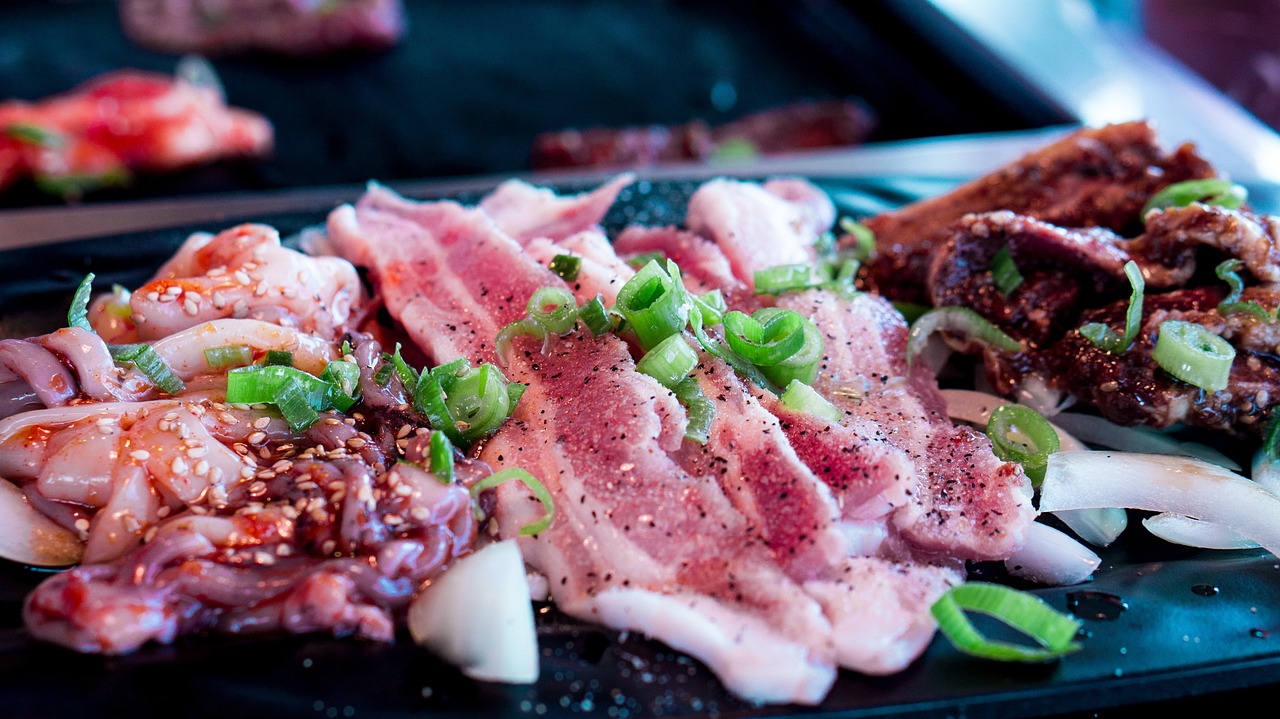
The intricate tapestry of company dinner culture Korea is more than just a social gathering; it’s a critical component of professional life. For over 15 years, I’ve observed firsthand how understanding and navigating this unique aspect can profoundly impact one’s career trajectory and integration into Korean corporate society.
This evolving tradition, known colloquially as hoe-sik (회식), serves as a cornerstone for team building, hierarchy reinforcement, and informal communication, making it imperative for both expats and local professionals to grasp its nuances.
The Enduring Legacy of Hoe-sik: Why It Matters
The roots of company dinner culture Korea run deep, intertwined with historical collectivism and Confucian values that emphasize group harmony and respect for seniority. Historically, these dinners were often mandatory extensions of the workday, crucial for fostering loyalty and solidarity.
While the landscape is shifting, the fundamental purpose of building strong interpersonal relationships within the team remains paramount for many organizations.
Building Bonds Beyond the Boardroom
Hoe-sik traditionally provides an informal setting where colleagues can connect on a more personal level, often seen as an opportunity to bridge the gap between formal office interactions and personal camaraderie. This fosters a sense of unity that can translate into better teamwork and mutual support during work hours.
A 2023 survey by Saramin indicated that approximately 65% of Korean employees still feel some level of pressure to attend company dinners, highlighting their perceived importance in team cohesion (Saramin, 2023).
The Unspoken Rules of Participation
My extensive experience in the Korean corporate environment has taught me that simply showing up isn’t enough; understanding the unwritten rules of company dinner culture Korea is key. Active, yet respectful, participation is generally expected, especially from junior members.
This includes pouring drinks for seniors, offering toasts, and engaging in conversation, all while maintaining a respectful demeanor. Newcomers, especially those seeking IT Jobs or Teaching Jobs in Korea, often find these unspoken rules challenging but essential to learn.
Navigating the Dynamics of Company Dinner Culture Korea
Navigating these events requires a keen awareness of Korean social etiquette and a willingness to adapt. While the atmosphere may seem relaxed, underlying hierarchical structures are always present.
Successfully engaging with company dinner culture Korea can significantly enhance your professional standing and integration.
- Respect Seniority: Always defer to your seniors. This means letting them order, pouring their drinks first (with two hands), and not leaving before them.
- Participate Actively: Engage in conversation, laugh at jokes, and offer toasts. Silence can be misconstrued as disinterest or aloofness.
- Mind Your Drinking: While alcohol is often central, it’s crucial to know your limits. Refusing a drink should be done politely, perhaps by stating you’ve had enough or have an early start.
- Observe and Learn: Pay attention to how others interact, especially those slightly more senior than you. Mimicking appropriate behavior is a safe bet.
- Offer to Help: Whether it’s ordering, serving food, or even arranging transportation after, offering assistance is always appreciated.
The average budget allocated for a single hoe-sik event per employee ranges from ₩30,000 to ₩50,000, according to a 2022 report, indicating the financial commitment companies make to these gatherings.
The Evolution: From Obligation to Option?
In recent years, there has been a noticeable shift in company dinner culture Korea, driven by changing generational values and a stronger emphasis on work-life balance. Younger employees, in particular, are less inclined to view hoe-sik as a mandatory extension of work.
This has led many companies to re-evaluate their approaches, moving towards more flexible and diverse team-building activities.
Generational Shifts and Changing Perceptions
The traditional, alcohol-heavy hoe-sik is increasingly being challenged by a generation that values personal time and diverse forms of social interaction. Younger generations (20-30s) are 25% more likely to prefer ‘lunch hoe-sik’ or ‘cultural hoe-sik’ activities (e.g., bowling, escape rooms) over traditional drinking-focused dinners.
This shift is prompting companies to innovate their team-building strategies, as noted by HRD Korea in their recent industry reports.
Here’s a comparison of traditional versus modern approaches to company dinner culture Korea:
| Aspect | Traditional Hoe-sik (Pre-2010s) | Modern Hoe-sik (2020s Onwards) |
|---|---|---|
| Mandatory Nature | Often seen as obligatory, high pressure to attend. | Increasingly optional, with more flexible alternatives. |
| Focus | Heavy drinking, multi-round events (1차, 2차, 3차). | Varied activities, lighter drinking, focus on team bonding. |
| Duration | Can last late into the night. | Shorter, often ending earlier to respect personal time. |
| Activities | Dinner, drinking games, karaoke. | Dinner, cultural activities, sports, cafe gatherings. |
| Perception by Staff | Obligation, potential stress, networking. | Opportunity for bonding, personal choice, work-life balance. |
Participation rates in optional company dinners have seen a 15% increase over the last five years, as companies shift towards more voluntary events and a more inclusive approach (OECD, 2026).
Practical Advice for Expats and Newcomers in Korea
For those new to Korea, especially expats looking into Work Visa Guide information, understanding hoe-sik is vital. It’s not just about fitting in; it’s about demonstrating respect and commitment to your team and company.
As a senior industry expert, I always advise newcomers to approach these events with an open mind and a willingness to learn.
Mastering the Art of the Korean Toast
Toasting is a fundamental part of company dinner culture Korea. It’s a moment to show respect, build camaraderie, and sometimes even subtly advocate for yourself or your team. Knowing a few key phrases can make a big difference.
Always wait for a senior member to initiate the first toast, and when offering your own, keep it concise and respectful.
- “Geonbae!” (건배!): The most common toast, meaning “Cheers!” or “Bottoms up!”
- “Wihayeo!” (위하여!): “To [something]!” – often used with “Uri hoesareul wihayeo!” (우리 회사를 위하여! – To our company!)
- “Jjan!” (짠!): A more casual, onomatopoeic sound for clinking glasses.
- Two-Handed Pouring: When pouring a drink for a senior, always hold the bottle with two hands as a sign of respect.
- Turning Your Head: When drinking an alcoholic beverage in front of a senior, turn your head slightly to the side.
A recent directive from the Ministry of Employment and Labor encourages companies to cap hoe-sik events at once a month to promote work-life balance, reflecting a broader societal push for change.
Future Outlook: A Balanced Approach to Company Dinner Culture Korea
The future of company dinner culture Korea appears to be heading towards a more balanced and inclusive model. Companies are increasingly recognizing the importance of employee well-being and diverse preferences, moving away from a one-size-fits-all approach.
This evolution benefits both employees, who gain more autonomy over their personal time, and companies, who can foster genuine team spirit rather than forced participation.
- Diverse Options: Offering a variety of activities beyond drinking, such as team sports, cooking classes, or cultural outings.
- Voluntary Participation: Clearly communicating that attendance is optional, reducing pressure on employees.
- Clear Communication: Providing transparent information about the nature and expected duration of the dinner.
- Inclusive Choices: Considering dietary restrictions and non-alcoholic options to accommodate all employees.
- Managerial Leadership: Managers setting a positive example by not pressuring attendance and respecting personal choices.
My recommendation for any professional considering Jobs in Korea is to understand that while the culture is adapting, the essence of team bonding remains. Companies that adapt are seeing improved morale and retention rates, according to data from Work24.
The shift towards a more voluntary and diverse hoe-sik culture is a positive development. It allows employees to genuinely connect without feeling burdened, ultimately leading to a healthier and more productive workplace environment. Many companies are now incorporating these modern approaches into their HR strategies, affecting everything from onboarding to Salary Guide discussions where work-life balance is increasingly valued.
while company dinner culture Korea is undergoing significant transformation, its fundamental role in fostering workplace relationships endures. Successfully navigating these events, whether traditional or modern, requires cultural sensitivity, respect, and a proactive attitude. By embracing these nuances, professionals can effectively integrate, build stronger bonds, and thrive within the dynamic Korean corporate landscape.
자주 묻는 질문 (FAQ)
Is attendance at company dinners (hoe-sik) mandatory in Korea?
Historically, attendance was often seen as mandatory, driven by strong hierarchical and collectivist workplace values. However, there’s a growing trend towards making hoe-sik optional, with many companies now offering diverse, less alcohol-focused alternatives to respect employees’ personal time.
How can I politely decline a company dinner invitation in Korea?
Declining requires tact and respect. A polite way is to express gratitude for the invitation and offer a brief, plausible reason (e.g., a prior family engagement, a personal appointment, or feeling unwell). It’s crucial to apologize for not being able to join and assure your colleagues you look forward to the next opportunity.
What are the key etiquette rules for drinking at a Korean company dinner?
Key rules include pouring drinks for seniors with two hands, not filling your own glass, and turning your head away slightly when drinking alcohol in front of a senior. It’s also customary to offer toasts and accept drinks when offered, though you can politely decline additional rounds by stating you’ve had enough.
Get in Touch
Have questions about your specific situation? Reach out anytime for a personal consultation.
Email: huh0303@gmail.com